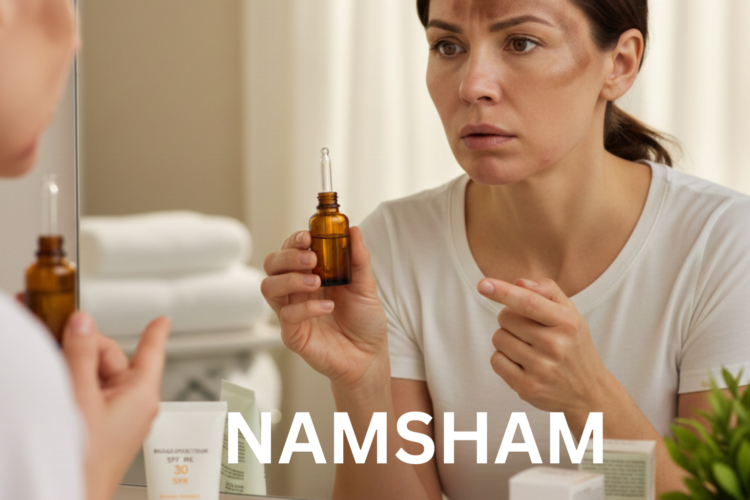
Introduction
Reaching the age of 30 is a big milestone event. Unfortunately, so does your skin. As some start noticing pustular acne, increased dryness, facial skin patches, and visible early aging, some may wonder why their tried and tested skincare routines are suddenly failing. These changes can often be attributed to the onset of minor hormonal changes, and can therefore be avoided if skincare routines are adjusted according to the effect of skin aging hormonal changes. With the right knowledge, skincare damage can be avoided, and healthy skin maintained.
What Are Hormonal Skin Changes After 30?
Around the age of 30, the hormonal skin changes menopause may be accompanied by changes to estrogen, progesterone, testosterone, and cortisol levels. As these levels shift, changes in skin elasticity and responsiveness to collagen, skin oiliness and overall moisture, and the rate of skin cell division and turnover occur. As a result, your skin will behave differently than it did in your 20s, acting in a more reactive “changed” manner.
Common Hormonal Skin Problems After 30
Adult Acne
Because of the strong and sudden hormonal shifts, adult acne is more prevalent around the chin and jawline adult acne. This can also be more pronounced in women with a hormonal surge around the transitional period of the menstrual cycle.
Tip: Salicylic acid and niacinamide are useful in oil control without skin barrier damage.
Dryness & Dehydration
A drop in estrogen levels affects the production of natural oils in the skin. This results in the skin feeling tight and looking dry and dull. These are also the typical skin changes that occur in your 30s.
Fine Lines & Early Wrinkles
Thin and lack firmness. This is especially evident around the mouth and eyes in the form of fine lines that become more pronounced around age 30. These changes are due to the decrease in hormone levels, and the corresponding reduction in the skin’s production of collagen and elastin.
Hyperpigmentation & Uneven Skin Tone
Dark spots and an overall uneven skin tone can occur as a result of hormonal imbalance, especially around the time of pregnancy or with the use of hormone regulating birth control. This is due to an overproduction of melanin.
Why Hormonal Balance Matters for Skin Health
Healthy hormone levels promote the skin’s rejuvenation, moisture, and suppleness, while a lack of good sleep, poor diet, and chronic stress increase cortisol levels and worsen the hormonal changes of the skin after 30.
Best Skincare Routine for Hormonal Skin Changes After 30
Healthy hormone levels promote the skin’s rejuvenation, moisture, and suppleness, while a lack of good sleep, poor diet, and chronic stress increase cortisol levels and worsen the hormonal changes of the skin after 30.
Best Skincare Routine for Hormonal Skin Changes After 30
Morning Routine
Gentle cleanser
Vitamin C serum
Moisturizer with ceramides
Broad-spectrum sunscreen
Night Routine
Milder exfoliation (2-3 times a week)
Retinol (low strength)
Barrier-repair moisturizer
This routine helps to skin promote skin rejuvenation while also preventing the additional irritation that can those skin hormones can cause.
Strategies to Manage Hormonal Skin Changes After Aging 30
✔️ 7 to 8 hours of Rest Sleep
✔️ Carry Out Stress Management Like Exercises and Meditation
✔️ Consume Omega 3 and Green Vegetables
✔️ Reduce Processed Foods and Sugars
✔️ Drink Enough Water
Aging 30 and above naturally changing skins hormonal wise control become less difficult with lifestyle changes.
Consulting Skin Specialists
Sensitivity, pigmentation and acne could be more serious and severe and if this happens consult skin specialists to find professional methods and hormonal tests to help you prevent more serious skin problems in the future.