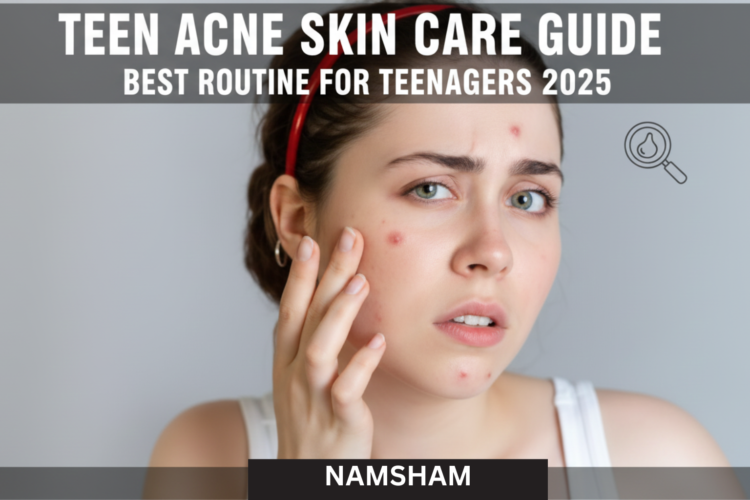
Having acne is a common part of life for many teens. It a result of numerous factors such as hormonal changes in the body, changes in lifestyle, and high levels of oil production. A good skin care guide can help teenagers learn about their skin, manage and control acne, and stop scars from forming. This guide offers teenagers a simple skin care routine that is effective and safe for their skin.
What Is The Most Common Causes Of Acne In Teenagers
As a result of hormonal changes in puberty, your body begins producing excess oil. This oil, along with dead skin cells, can clog your pores and lead to the formation of pimples (acne), blackheads, and whiteheads. A Teen Acne Skin Care Guide can help you to learn control and manage your breakouts to achieve balanced skin.
Different Types Of Acne Teenagers Experience
Different types of acne require different types of responses in a skin care routine, which is why we need to understand what types of acne is there.
Whiteheads(can be described as small bumps, which are closed, and are the result of clogged pores)
Blackheads(open pores that are clogged. Can be described as small bumps, similar to whiteheads)
Papules(small red bumps that are usually inflammed and as a result of acne)
Pustules(similar to papules, but with pus inside)
Cystic acne(can be described as large painful bumps. It is deep and is the result of a large break out of acne)
When making a skin care guide to help teenagers, the best base approach to take is focusing on the gentler skin care products, as opposed to the harsher ones.
Step-by-Step Teen Acne Skin Care Guide
Gentle Cleansing Twice a Day
Cleaning is the basis of every teen acne skin care guide. Each morning and evening, a mild, soapless cleanser is used to get rid of excess oils and dirt.
Tips:
Don’t wash more than twice a day
Avoid harsh scrubs
Pick out products labeled “non-comedogenic”
Use Acne-Fighting Ingredients With Caution
Teens deal with a sensitive skin barrier, and potent acne medications may cause skin irritation
Teens can safely use:
Salicylic Acid: controls oil
Benzoyl Peroxide: kills bacteria that cause acne
Niacinamide: reduces redness
Using these ingredients correctly can help manage skin breakouts, and also keep the skin barrier healthy.
Don’t Skip Moisturizer
A lightweight, oil free moisturizer is just as important as any other step in a teen acne skin care guide. It’s a common misconception that putting moisturizer on your skin will cause acne, but that’s not true. It prevents skin dryness and balances out oil production
Moisturizers with a gel base
Oil free products
Moisturizers with ceramides or hyaluronic acid
Sunscreen Is Mandatory
Daily sun exposure can hinder healing and darken any microscopically visible marks. Using sunscreen will pro tect your skin, and it can help prevent any long lasting skin damage.
Refrain From Interfering With the Healing Process
Why This Teen Acne Skin Care Guide Works
This Teen Acne Skin Care Guide targets:
Gentle Cleansing
Appropriately Balanced Hydration
Acne Safe Components
Daily Sun Protection
Positive Lifestyle Choices
This guide avoids being overly aggressive because of the potential for adverse consequences, plus it promotes the health of the skin for the long haul. It is for that reason that teens are able to clear their skin with a supportive guide and gain confidence.
Final Thoughts
While the negative effects of acne are mitigated by the guide, it is the habits that one builds that are ultimately more important. Through a simple and consistent approach outlined in the Teen Acne Skin Care Guide, teenagers are able to take charge of their breakouts, remove any<\/4> potential for acne scarring, and keep their skin barrier intact. Acne can have a negative impact, and many clear skin guides are ultimately unsafe, however, the guide filtered clear skin to teens with patience, healthy choices, and the right habits in place.